Slot machines and the feeling of religious awe

Mindless Play or a Different Kind of Attention?
Slot players are often dismissed as mindless because pressing a button to spin the reels involves little or no strategy. When I proposed this book, several editors told me they assumed slot players did not read books, and that people who read books did not play slots. Never mind the bookshops inside casinos such as Foxwoods.
I have found the opposite to be true. Many slot players are keen readers who enjoy losing themselves in a book.
The supposedly clever gamblers are often pictured playing games with complicated betting rules, such as craps, or using their mathematical skills to count cards at blackjack. My first response to this comparison was that it defined intelligence far too narrowly.
Who is smarter: an options trader shouting bids across a stock exchange floor, or a monk sitting in prayer on a mountaintop? They are engaged in such different activities that the comparison tells us very little about either.
The Company Around the Machines
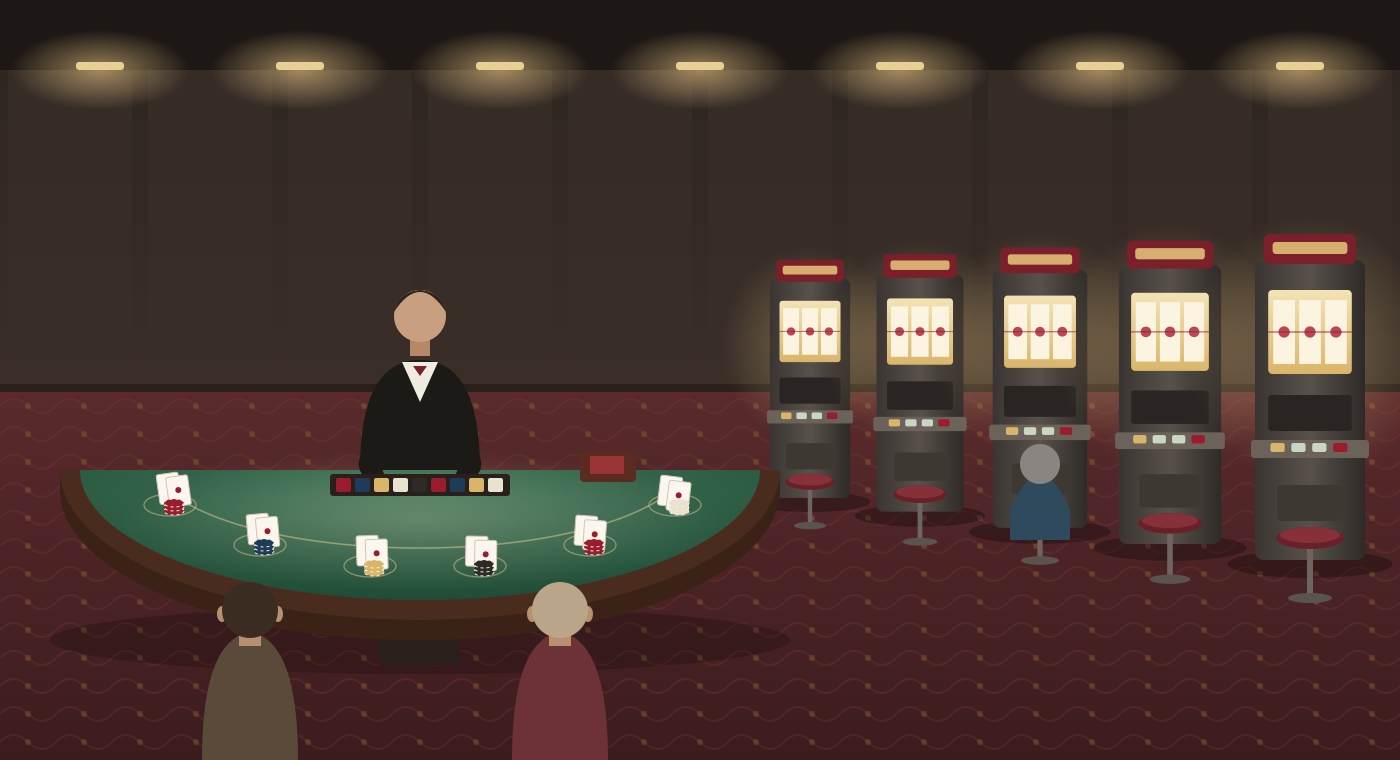
Slots are very different from poker, where players compete against one another and one person’s winnings come from another’s losses. That competition can bring noise, boasting and, sometimes, heated arguments.
Slot players generally play quietly and individually. Yet they often want the people beside them to win and congratulate a nearby winner, even if they feel a little envy or have just left the machine that paid out.
In my experience, they tend to be considerate and pleasant company. Even when a crowded casino places players elbow to elbow, I cannot recall moving away because another slot player was objectionable. Avoiding second-hand smoke has been the main exception.
Concentration and Attention
The Indian philosopher Jiddu Krishnamurti distinguished between concentration and attention. Concentration directs the mind towards a particular point, while attention remains open, without the same boundaries.
That distinction offers another way to consider slot play. Without the need to plan a strategy or count cards, and apart from the competition at the tables, a player’s thoughts can wander.
To me, that absorption has something in common with meditation. The player follows a repeated action while the mind moves beyond the immediate surroundings.
The Ritual of the Spinning Reels
The repeated movement and sounds of a slot machine can acquire the rhythm of a ritual. I think of Tibetan prayer wheels turning again and again, a simple action carrying a meaning beyond the movement itself.
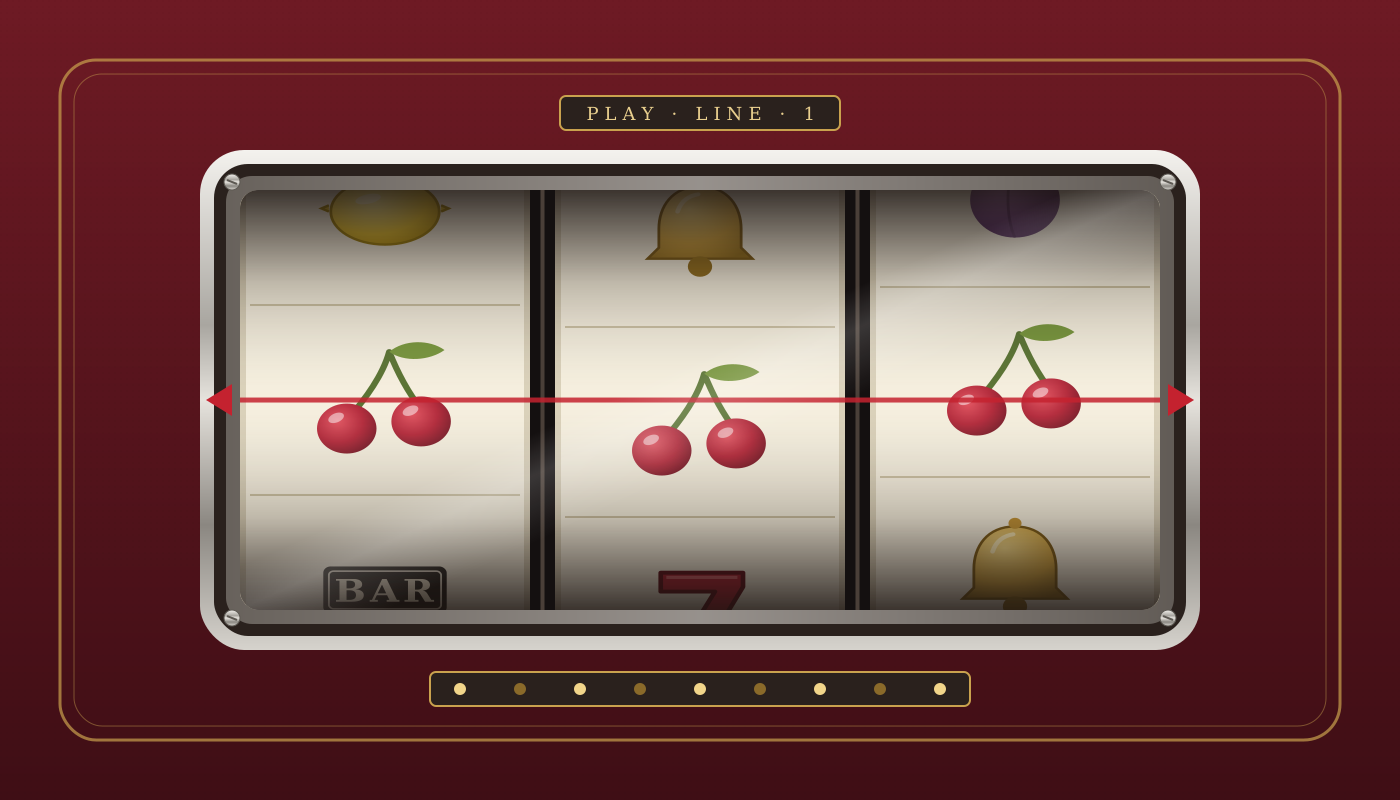
The comparison is not merely about the hope of an enormous win. It is also about chance, the force that shapes events and unsettles our expectations.
Each spin offers the possibility of a return, large or small. But the attraction can reach beyond a particular sum of money to the idea of Fortune itself, and the place it holds in our lives.
Fortune and the Hope Behind Each Spin
Seen this way, slot play becomes a private expression of hope. Players need not consciously regard their actions as prayer for the comparison to matter.
They may never describe the experience in spiritual terms. Even so, understanding the need that play answers could help them recognise what draws them to it.
Many activities outside formal worship, including ordinary daily work, have been described as forms of prayer. I see slot play as another activity worth considering in that light, through its repetition, uncertainty and expectation.