Slot Machines, Chance and the Appeal of the Next Spin
Bonus Features and Credit Values
Slot machines may include bonus features such as free spins or touchscreen selections that reveal additional credit prizes.
The value of a credit depends on the machine’s denomination. On a penny machine, one credit is worth one cent. On other machines, a credit might represent a quarter, a dollar or five dollars. The total cost of a spin also depends on how many credits are wagered.
The paytable explains which symbol combinations award prizes and how much they pay. It may be printed on the cabinet or displayed on a screen.
Fixed and Progressive Jackpots
A machine’s highest-paying symbol combination may award its top fixed prize. The winning combinations and any conditions are set out in the paytable.
A progressive jackpot works differently. Its value grows as qualifying wagers contribute to the prize pool. When someone wins, the jackpot returns to a set starting amount and begins building again.
Several machines may contribute to the same progressive jackpot. Some share a prize pool within a single casino, while wider networks connect machines across several properties.
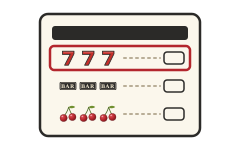
Fixed prize
The amount is defined by the paytable for the relevant wager.
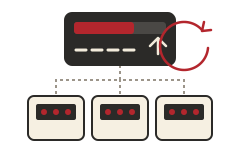
Progressive jackpot
The prize pool grows through qualifying wagers and resets after a win.
Why People Play Slots
Religious faith and devotion are often described as experiences that reach beyond calculation and logical reasoning. People may study the history and teachings of their faith, but prayer itself does not depend on solving a problem or choosing the right strategy.
That comparison offers one interpretation of the attraction of slots. A player can take part without making the repeated strategic decisions involved in blackjack or poker.
Even choosing where to place a bet at a roulette table introduces a decision that a slot player may prefer to leave aside. The appeal, in this view, lies in giving attention to chance and waiting to see what happens.
Playing Without a Strategy
Casino games ask different things of their players. Poker and blackjack involve decisions that can affect results. Other games offer fewer meaningful choices once a wager has been placed.
Most slot games do not require a strategy for the spinning reels. Players choose their stake and may make selections during a bonus feature, but they do not control which symbols appear.
You might expect that repetition to leave the mind free to wander, much as familiar actions in games such as Tetris, Snood or Zuma can do. Yet the experience described here is often one of close attention rather than daydreaming.
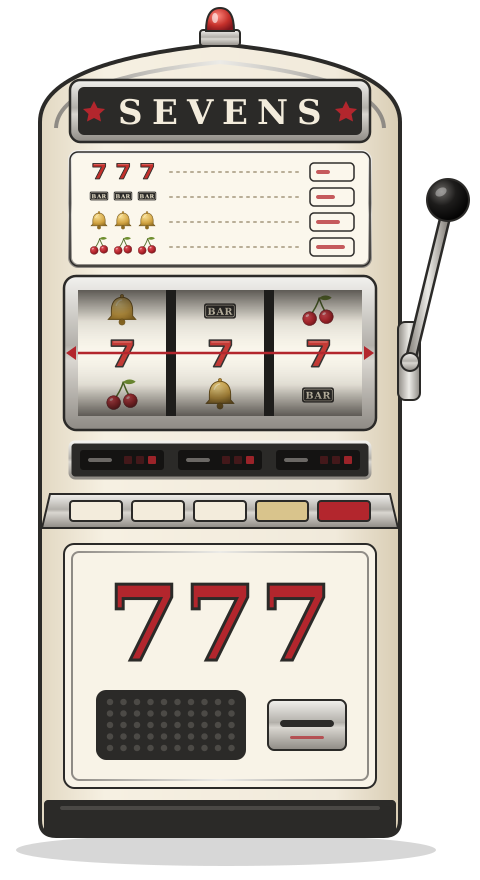
Waiting for the Reels to Stop
The next spin gives the player something immediate to watch. As the reels turn, attention rests on the symbols and the possibility that they will line up.
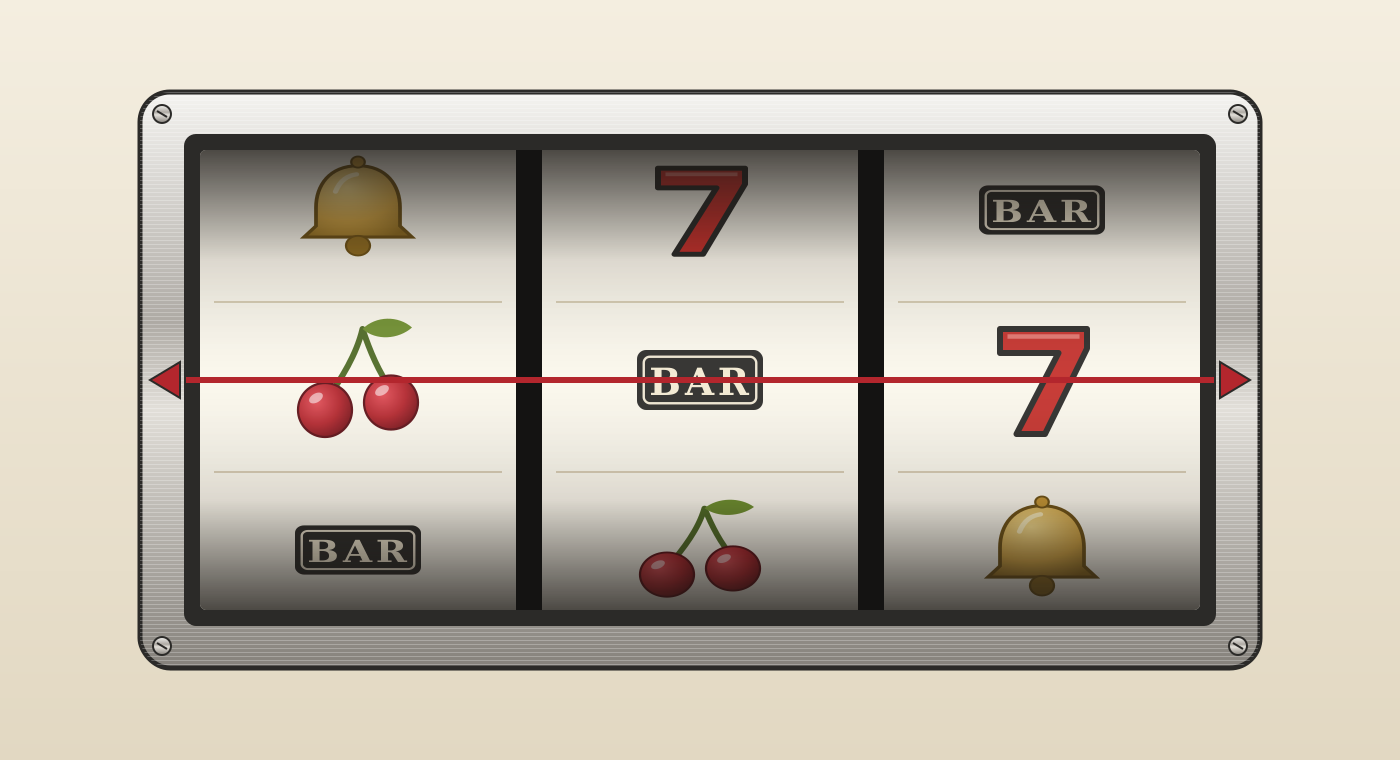
The action may be repetitive, but the result remains uncertain. That combination creates a particular kind of anticipation: a familiar sequence followed by an outcome the player cannot know in advance.
It is this expectation, as much as the act of pressing a button, that helps explain the appeal of the machine.