The People and Pastimes Behind the Reels
A View from the Casino Floor
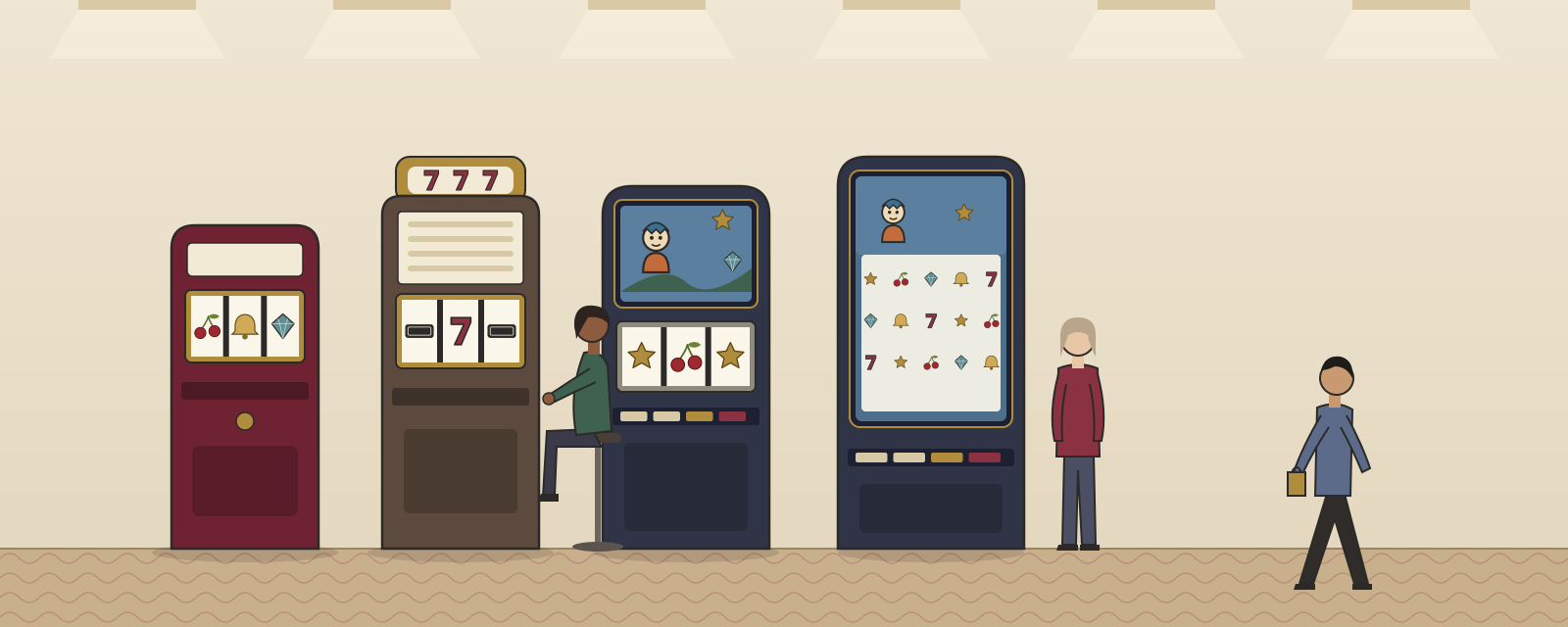
The preponderance of women at the slots, my informal counts show a 3-to-2 ratio, may be no accident. Slot playing offers something that some people find absorbing and others find tedious: sitting still and performing a repetitive activity, with the possibility of a different result each time.
The image of a line of players working the slots is not so very different from that of workers seated at sewing machines. There is the same concentration, the same repeated movement, and the machinery setting the pace. The difference, of course, is that the latter are being paid for their time.
It is tempting to connect these preferences with familiar ideas about women being more patient and men more restless. But an informal count cannot establish such a difference, and the behaviour of individual players often refuses to fit the description.
One player stays too long at an unrewarding machine. Another roams in search of a more generous one. Contrariwise, the restless player may be thought too impatient to give the machine a chance. Neither approach, however, tells us what the next spin will bring.
Excitement, Escape and Local Habits
Another gender difference sometimes proposed is that men go to casinos to find excitement, while women go to escape the stresses of their daily routines. Yet, as in most things, there is a large overlap between the sexes in gambling preferences. Excitement and escape can occupy the same seat.
Regional and cultural factors may also account for some differences. Raoul Lowery Contreras, a tour director in San Diego, a navy town where many Mexicans play at the casinos, told me that men were less often seen playing the slots there than at other venues.
In Canada, at least at romantic Niagara Falls, I found the male-female ratio close to 1-to-1, even with a choice of table games.
These are observations rather than a comprehensive survey. Still, they suggest that the company people keep, the places they visit, and the habits they bring with them may be as relevant as gender.
Familiar Pleasures on a Different Screen
Repetitive home video games such as Tetris and Snood share something with slot machines. Their appeal lies partly in a familiar activity that can be repeated again and again without producing quite the same experience.
Often grouped with casual games, they offer a different rhythm from action-adventure games built around spatial navigation, progressing through levels, shooting adversaries, and competing with other players.
The distinction is not simply between women’s games and men’s games. It is also between different kinds of attention. One player enjoys settling into a pattern. Another wants a challenge that demands quick reactions. The same person may prefer one kind of game today and another tomorrow.
Slot machines have increasingly borrowed the appearance and structure of video games. Screens offer characters, unfolding scenes, and secondary or tertiary stages of play. The familiar spin becomes the entrance to a small adventure.

Falling-block puzzle
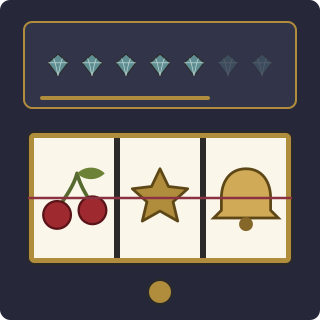
Slot display with a bonus area
Bonus Rounds and the Feeling of Progress
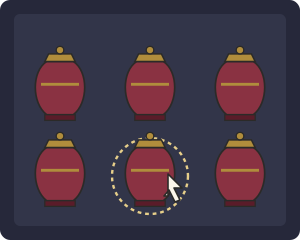
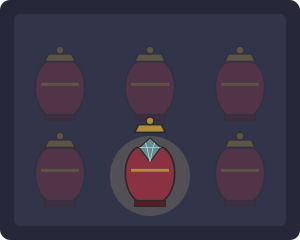
The additional levels in video slots resemble those of video games, but resemblance does not necessarily mean that skill determines the outcome. In a chance-based bonus round, choosing an object on the screen may reveal a random prize rather than reward a better decision.
-
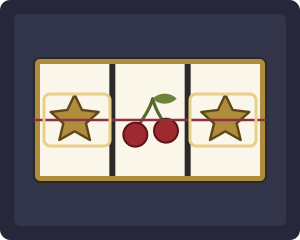 1Bonus begins
-
 2Player selects
-
 3Result revealed
An example is the Addams Family machine, which can take the player into a bonus round involving tombstones and returning creatures. The player makes choices, the scene develops, and the machine reveals the winnings.
Other games involve accumulating something, such as diamonds in a bin on an overhead screen, with a reward attached to reaching a specified point. Such features, along with extra-spin rounds, give the player something beyond the next reel combination to watch.
There is now a sense of unfinished business. The collection is growing. The next stage appears close. Leaving the machine means leaving that little story behind.
Some machines add a timer showing how long the player has left to remain eligible for a bonus unless another bet is made. Here, the screen does more than entertain. It introduces a reason to hurry.
A Casino Floor Full of Stories
The themes themselves can be almost anything. Horror, comedy, familiar television characters, and adult entertainment have all found their way onto slot screens.
A machine called Risky Business used progressively revealing performances by a stripper of the player’s chosen sex as part of its attraction. Elsewhere, three-dimensional displays brought the presentation closer to the virtual environments of video games.
These features offer different reasons to watch. A player may want to see the next scene, hear a familiar phrase, complete a collection, or discover what happens in the bonus round.
The machine still takes a wager, but the experience surrounding that wager becomes increasingly elaborate. The reels are only part of the performance.
Survival of the Most Played
The unending evolution of slot machines, like that of video games, resembles a commercial survival of the fittest. Machines that players stay with and return to earn their place on the floor. Those that lose their audience may disappear.
One example was the Spam machine, with its crescendo of “spam! Spam! SPAM!” as the bonus was announced. At Yonkers Raceway, it was removed after its popularity declined.
Like a burgeoning robotic species, the machines arrive in new forms, compete for attention, and make way for their successors. The comparison is fanciful, but the commercial process is straightforward. A theme must do more than attract a glance. It must remain interesting after the novelty wears off.
What survives tells us something about the players as well as the machines. Familiarity, anticipation, humour, and the prospect of a reward all have their place.

When Dexterity Enters the Game
In a New York Times Magazine report, Gary Rivlin described manufacturers’ proposals for slots with joysticks and an element of competitive dexterity. The intention was to attract younger players accustomed to video games.
The same discussion described Cyberview’s hopes of obtaining permission from Nevada regulators to offer skill-based payouts. These were proposals of their time, but they raised an interesting question about the nature of slot play.
A game that rewards dexterity changes the player’s task. Instead of watching the reels and waiting for a result, the player must perform. Attention shifts towards timing, control, and competition.
That could transform the experience, substituting a competitive frame of mind for the quiet absorption of watching the reels spin and stop.
The Appeal of a Simpler Machine
Yet all those additional stories and challenges may diminish the very experience that attracts some traditional slot players. A narrative can entertain, but it can also interrupt the familiar rhythm.
Many long-standing players prefer basic machines. Double Diamond, Triple Diamond, and Blazing Sevens are examples of games whose appeal has rested on a comparatively simple presentation.
For these players, the absence of an elaborate story may be part of the attraction. There is less to follow, less to interpret, and less standing between the player and the next result.
The fancier themed slots come, become tiresome, and go. Sometimes the machine that holds a player’s attention is the one that gives them the least else to think about.